

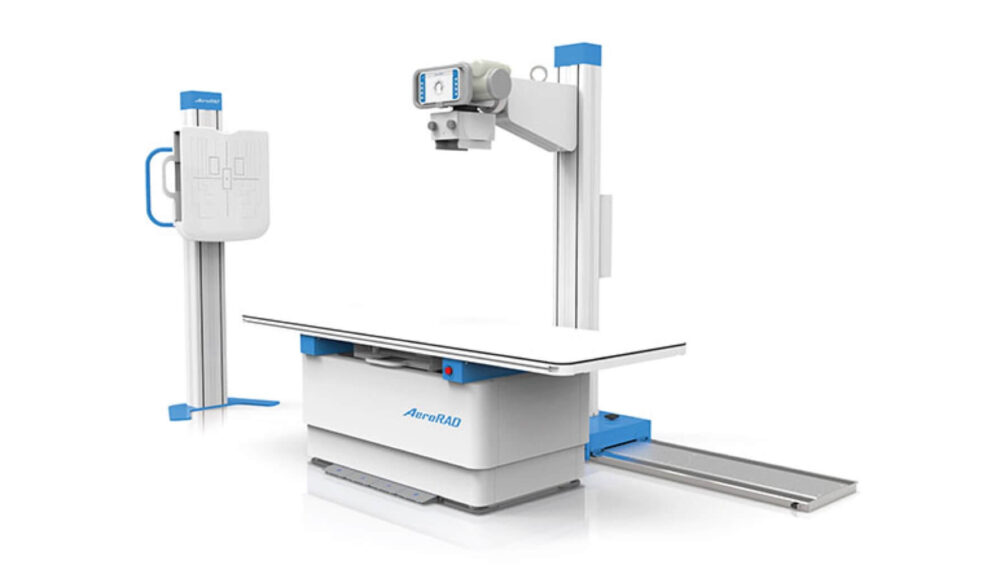
Fast, accurate X-ray imaging supporting confident diagnoses and your peace of mind.
X-Ray
X-Ray Scan in Wichita, Kansas
Digital X-ray is a fast, reliable imaging technique that uses low-dose radiation to capture detailed images of the body’s internal structures—most commonly bones and the chest. It is often the first step in diagnosing fractures, joint abnormalities, infections, and certain lung conditions due to its speed, accessibility, and proven accuracy.
Modern digital X-ray technology provides high-resolution images within seconds, allowing for immediate review and quicker clinical decisions. The process is simple, non-invasive, and typically completed in just a few minutes, making it both efficient and convenient for patients.
At Elite Diagnostic Imaging, we utilize advanced digital X-ray systems designed to enhance image quality while minimizing radiation exposure. Every exam is performed by experienced technologists and reviewed by specialized radiologists to ensure precise, dependable results.
How Does an X-Ray Work?
If you’ve ever wondered how an X-ray creates images of the inside of your body, the process is actually quite straightforward. During the exam, a small amount of radiation passes through your body while a digital detector captures the resulting image. Dense structures, such as bones, absorb more radiation and appear white on the image, while softer tissues allow more radiation to pass through, creating different shades of gray. This contrast helps healthcare providers evaluate injuries, detect abnormalities, and monitor certain medical conditions. Whether you need an X-ray scan in Wichita, Kansas, or elsewhere, this imaging technology provides a fast and reliable way to assess a wide range of health concerns.
Because digital technology captures images almost instantly, there is little waiting before the images are available for review. In many cases, an X-ray is the first imaging test recommended because it provides valuable information quickly and efficiently. Whether the goal is to assess an injury, investigate persistent symptoms, or monitor healing, digital X-rays remain one of the most trusted diagnostic tools in modern medicine.
What Can an X-Ray Help Detect?
Digital X-rays are commonly used to evaluate a variety of medical concerns. Depending on your symptoms and the area being examined, an X-ray may help identify:
- Broken or fractured bones
- Joint conditions such as arthritis or dislocations
- Chest conditions, including certain lung infections or abnormalities
- Dental and jaw concerns
- Foreign objects or changes affecting bones and surrounding structures
Frequently Asked Questions (FAQ)
Ready for Answers? We’re Here to Help.
Take the next step toward clearer answers and greater peace of mind with advanced diagnostic imaging and compassionate care. Contact our team today to schedule your appointment or learn more about the services that best fit your needs.